LiquidTrust Blog
Insights on payments, compliance, and building trust in digital marketplaces.

Recent Articles
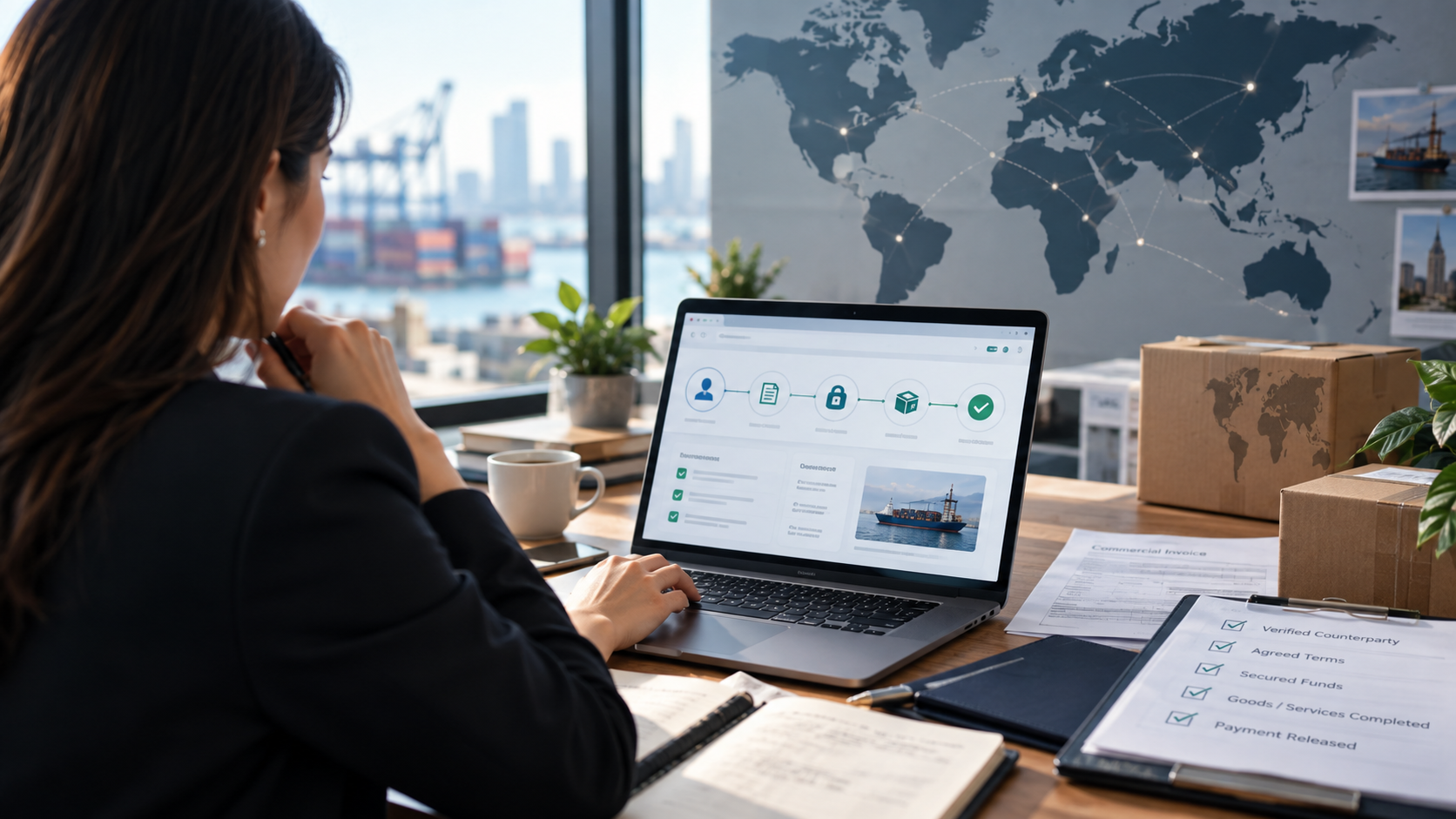
The Future of International Trade Is Trust Infrastructure
As technology makes global opportunities easier to discover, SMBs also need practical infrastructure to verify counterparties, define terms, protect payments, and complete international transactions with confidence.
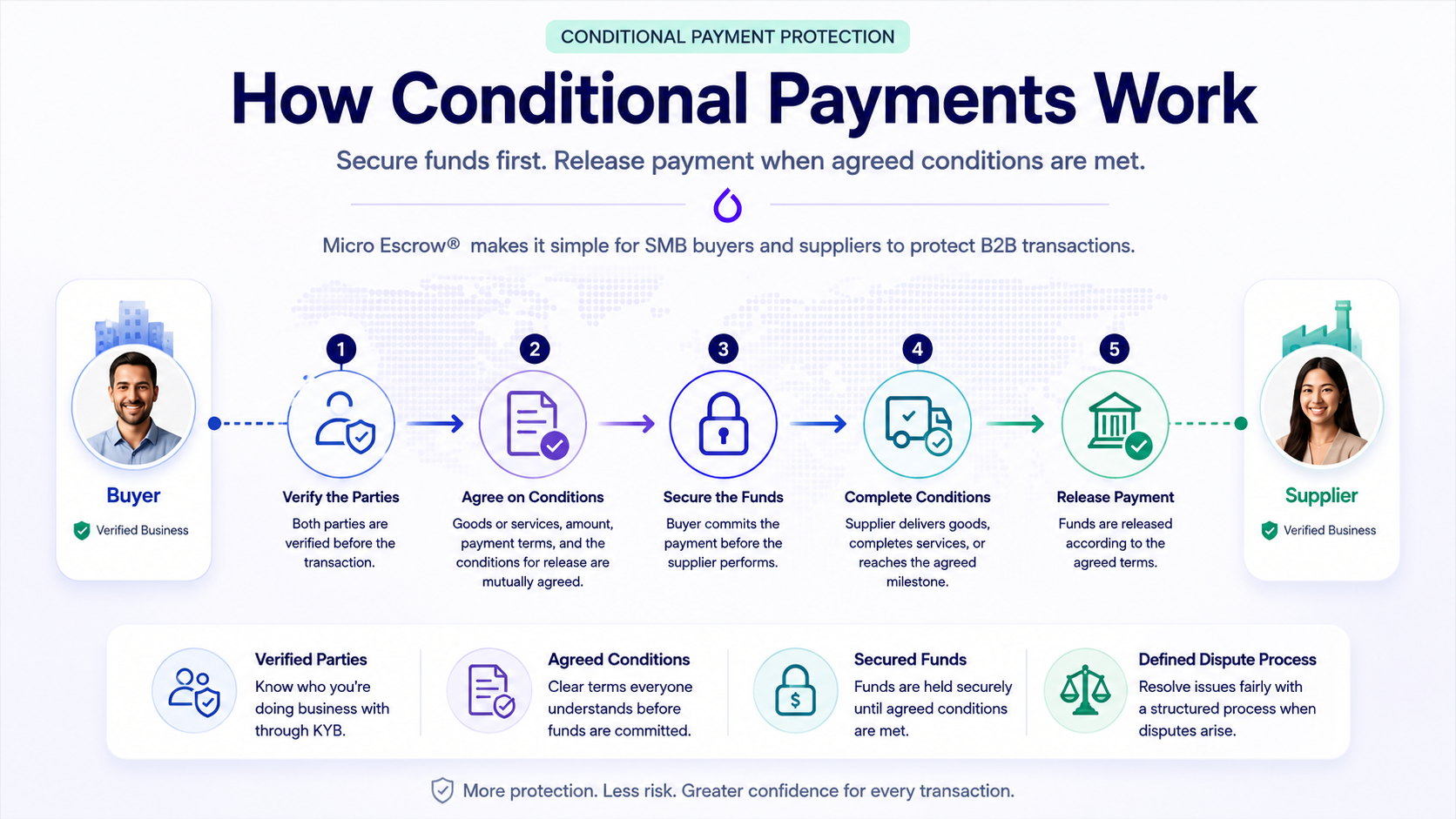
Conditional Payments and Micro Escrow®: A Practical Way to Protect B2B Transactions
Conditional payments give SMB buyers and suppliers another way to protect B2B transactions by securing funds and releasing payment when mutually agreed conditions are met.
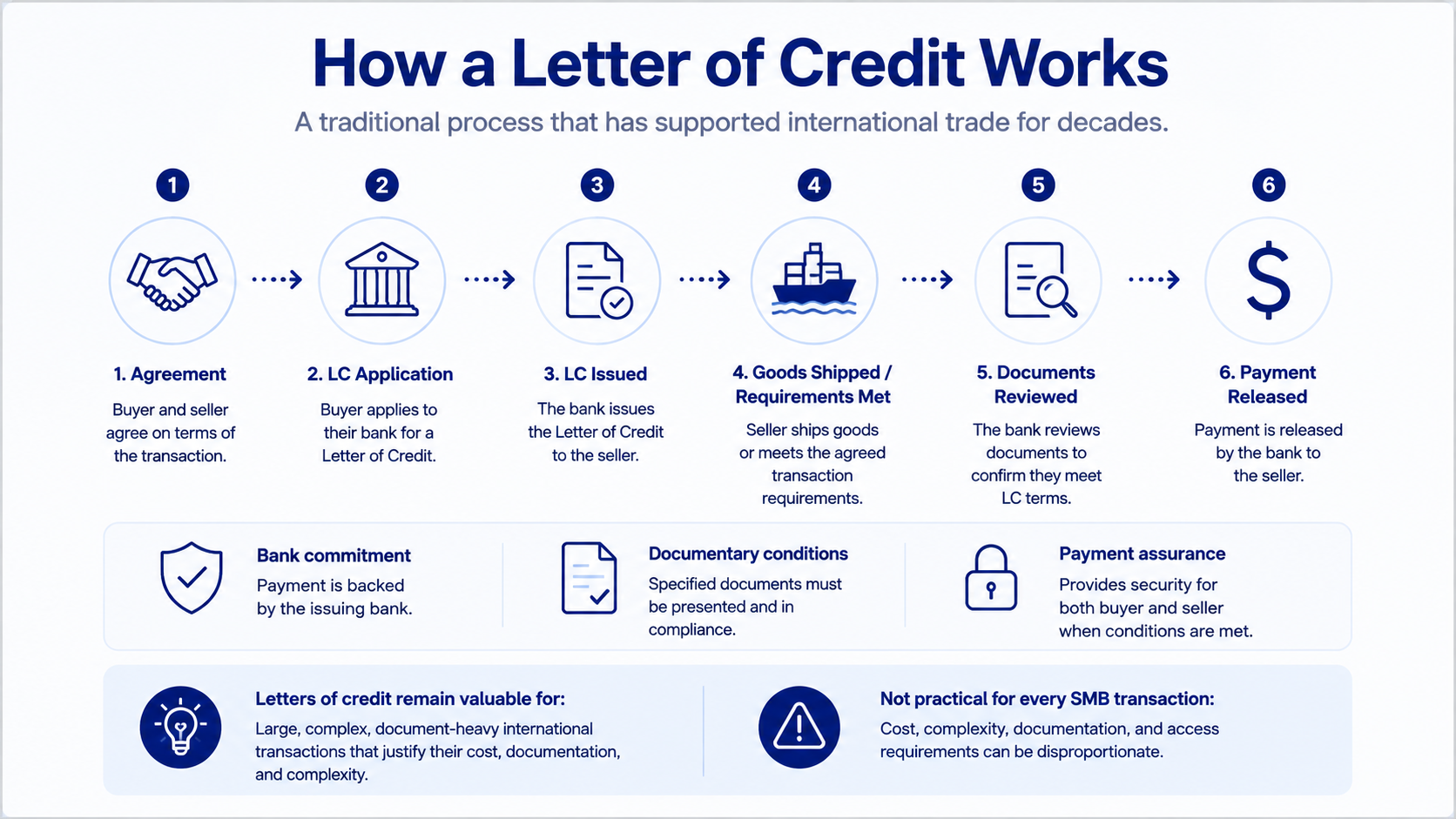
Beyond Letters of Credit: Modern Transaction Protection for SMBs
Letters of credit can provide strong protection for international trade, but they are not practical for every SMB transaction. Conditional payments offer a more flexible way to connect payment release to delivery, milestones, inspection, acceptance, or other agreed conditions.

Choosing Payment Terms for Your First International Transaction
Learn how SMBs can compare advance, partial, milestone, open-account, and letter-of-credit payment terms for a first cross-border transaction.

Know Your Business (KYB): What SMBs Should Know Before They Trade
Learn how KYB helps SMBs verify a company’s identity, ownership, representatives, and payment information before an international transaction.
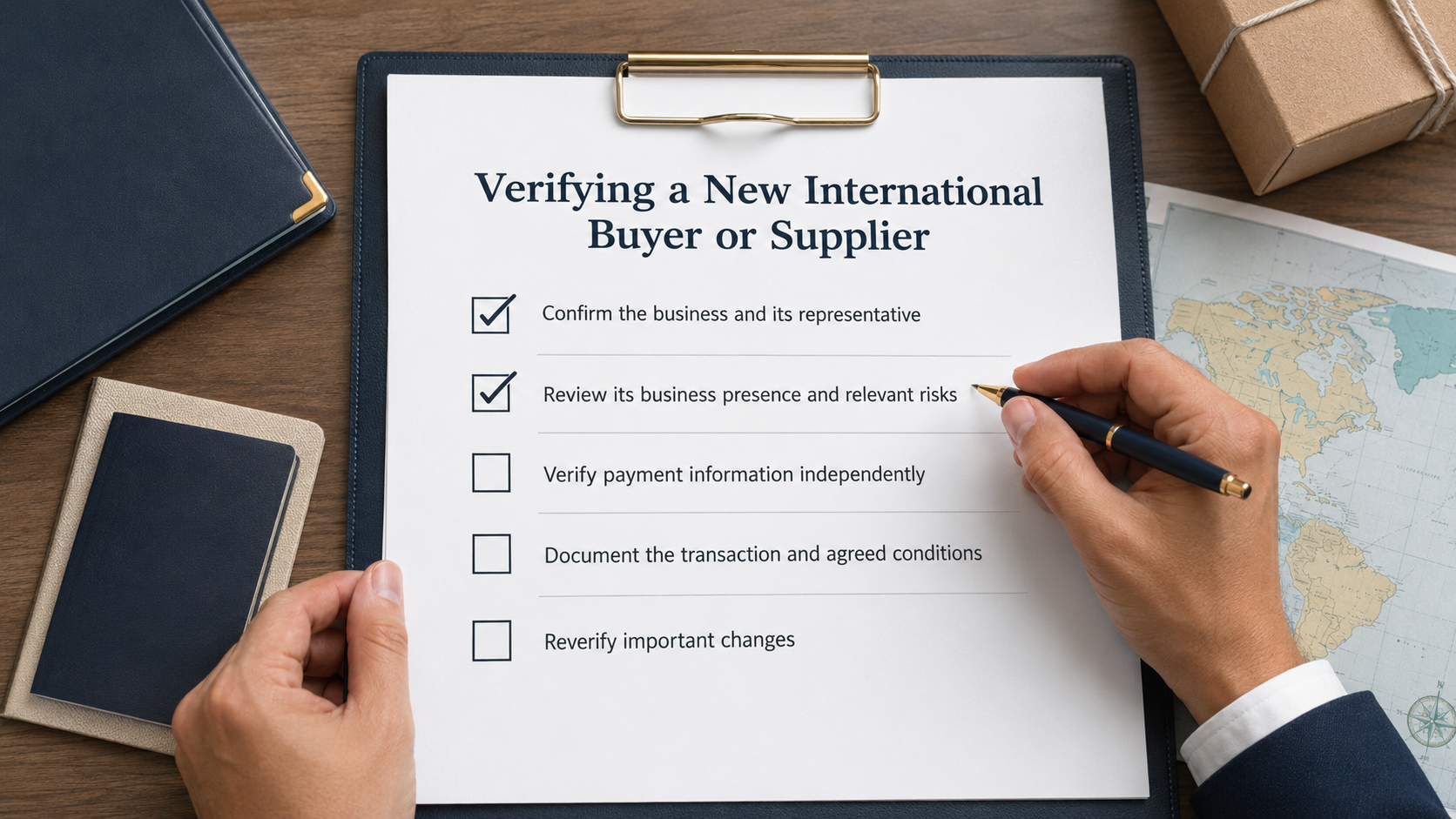
A Practical Guide to Verifying a New International Buyer or Supplier
Before sending payment, shipping goods, or committing resources, SMBs can use these practical checks to verify a new international buyer or supplier.

Finding a Buyer or Supplier Is Only the Beginning of International Trade
Finding an international buyer or supplier is a major milestone. The next step is building the trust, clarity, and confidence needed to complete the transaction.
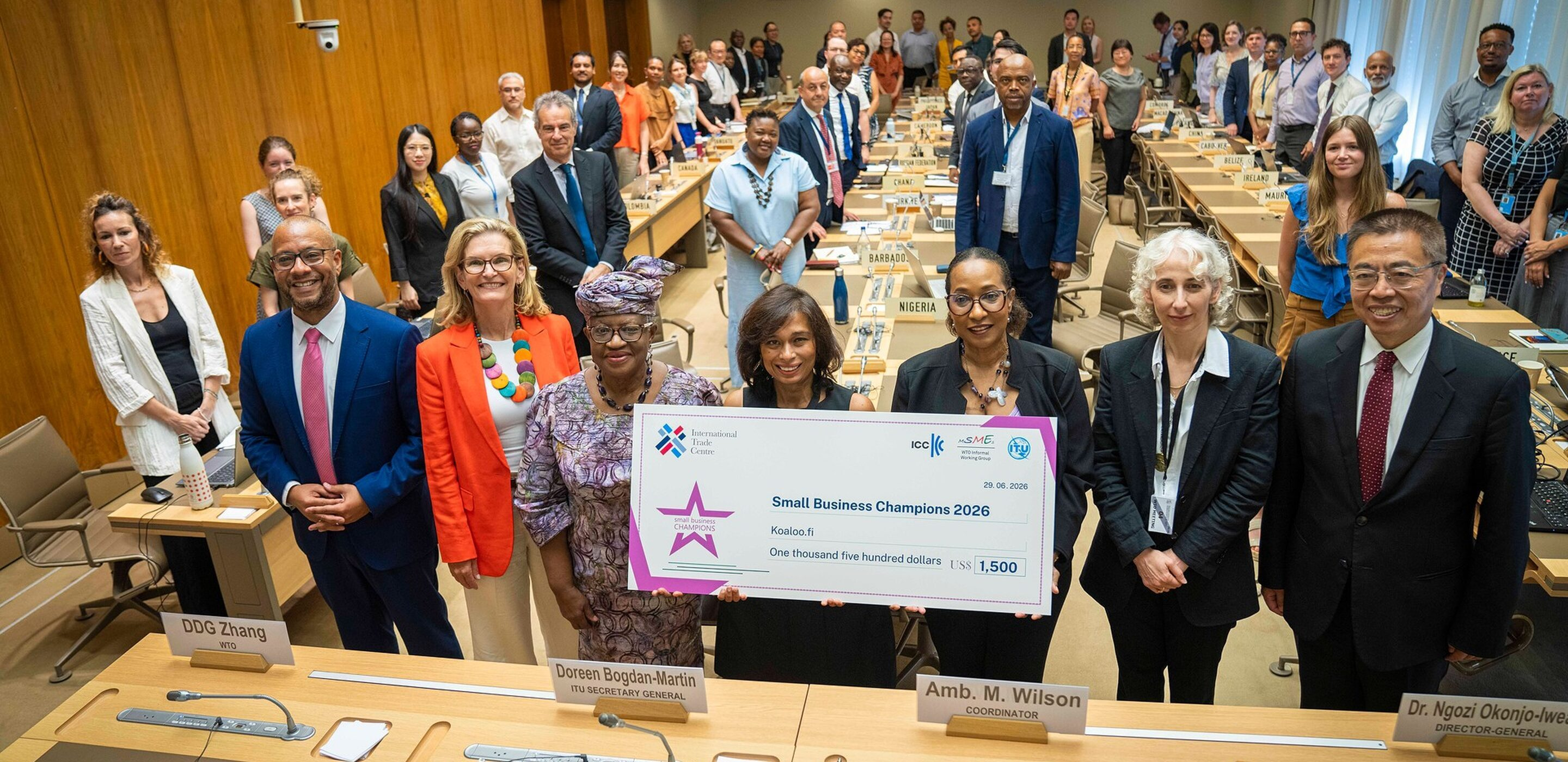
AI Is Transforming Global Trade for MSMEs: Lessons from the WTO's 2026 Small Business Champions
The 2026 WTO Small Business Champions highlight how AI is helping MSMEs overcome trade barriers, improve competitiveness, and participate more confidently in international markets.